


Speaker Cables Compared: Copper versus Silver for the Best HiFi Sound

Silver- vs. Copper Speakercables: Why Quality matters

In this article, we take a closer look at the differences between silver and copper cables in the world of high-end audio.
When purchasing HiFi audio cables, enthusiasts often face the decision between silver cables versus copper cables. Both materials have their own strengths and weaknesses—but what are the real differences, and which cable is best for your sound system?
Silver and copper cables are among the most common types of audiophile cables used for audio signal transmission. Each material has unique characteristics worth considering:
Key differences between silver and copper speaker cables
Conductivity and signal transmission
Silver is regarded as the best conductor for electrical signals due to its higher conductivity compared to copper. Silver speaker cables can offer superior signal transmission and enhanced sound quality.

Cost and value for money
Silver is more expensive than copper, which naturally increases the price of silver HiFi cables. Copper cables, on the other hand, are typically more affordable and offer a more cost-efficient solution.
Durability in everyday use
Copper is a more robust and resilient material than silver. Copper speaker cables tend to be more durable and less susceptible to physical damage over time.
Corrosion and long‑term stability
Silver resists corrosion and oxidation, which helps maintain signal clarity. Copper cables, while excellent conductors, can oxidize over time, potentially reducing conductivity.
Sound character and tonal balance
Silver cables are often praised for their detailed, high-resolution sound and transparency. They can deliver clearer and more precise audio reproduction. However, many audiophiles prefer copper cables for their warm and natural tonal characteristics.
In some cases, a hybrid cable might be the ideal solution. A copper speaker cable with a silver plated coating can provide a balanced combination—offering refined highs along with a warm midrange and bass response.
Some audio systems may sound overly sharp or analytical when paired with silver cables, while in other setups, silver brings out stunning detail and depth, integrating smoothly and transparently into the sonic image.

Hybrid designs: silver‑plated copper speaker cables
When hybrid cables make sense
In some cases, a hybrid audio cable solution might offer the perfect compromise.
A copper speaker cable with a silver plated coating can strike a desirable balance, delivering crisp highs along with a warm midrange and bass presence—ideal for those seeking both detail and musicality in their HiFi setup.
Matching cable signatures to your system
While some audio systems may sound overly sharp or clinical when paired with silver cables, in others, silver provides unmatched finesse, opening up new dimensions of sound with smooth, transparent articulation.
In addition to the metal used, manufacturing techniques also play a crucial role. The precise OCC process (Ohno Continuous Casting) has established itself particularly in the high-end sector, as it preserves the crystal structure of the conductor material almost unbroken – essential for clean signal transmission.

Manufacturing quality: OCC vs. OFC and beyond
You'll find a detailed comparison of OCC vs. OFC copper with example images in my upcoming separate article: OCC vs. OFC – Cable Quality in Detail.
Beyond the mentioned sonic differences between silver and copper materials, there are also many ways to further fine-tune speaker cables!
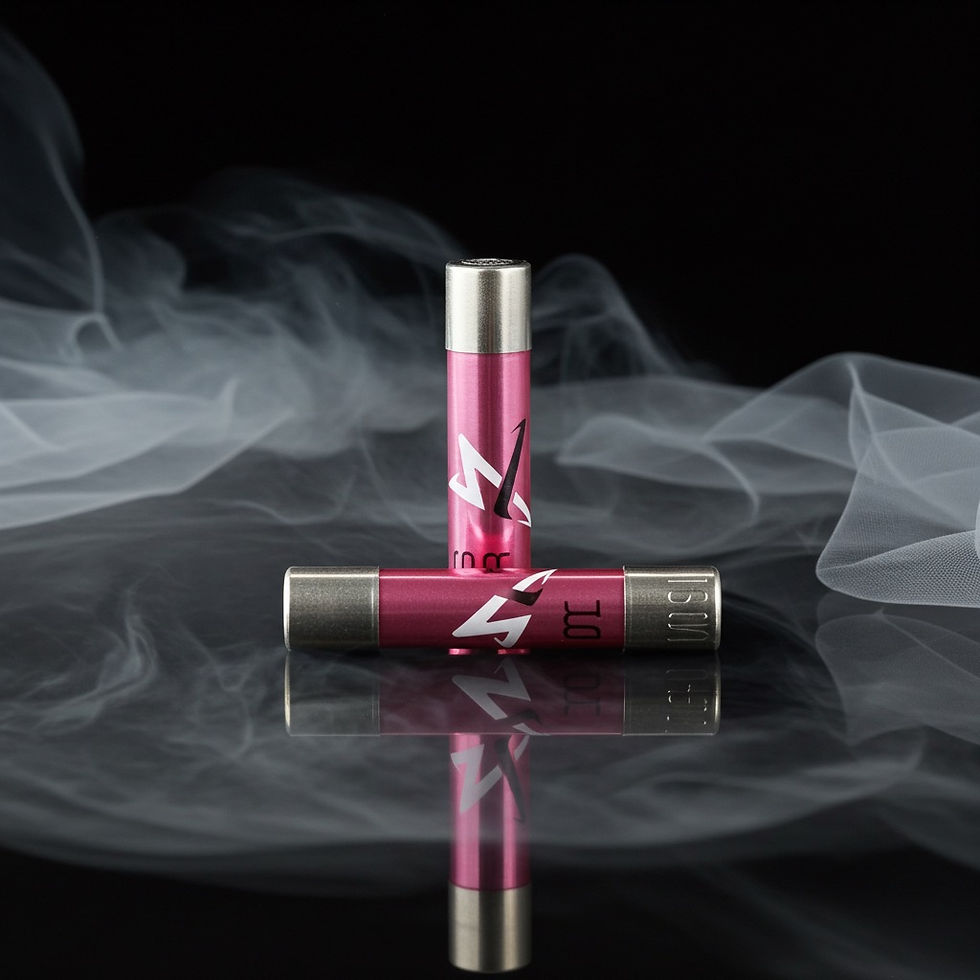
Some Synergistic Research cables, for example, use gold and silver modules ("Bullets") that are attached to the cables and significantly influence the sound character.
We think it's a great philosophy to let the customer decide what sounds and works best for them.
The standard is usually more of a "one-size-fits-all" approach for speaker cables.
It's generally advisable to try out different speaker cable types and hear which one best matches your own listening preferences.
Fine‑tuning your HiFi system with cables and tuning accessories
Adjustable cable tuning with Synergistic Research

Synergistic Research Carbon Tuning Discs are small carbon fibre discs based on the same UEF technology used inside their Atmosphere SX cable loom. Placed on or near speaker cables and components, they interact with the surrounding EM fields and let you fine‑tune the overall presentation from a slightly richer, more harmonically dense balance (Gold) to a more open, spacious and ultra‑clear soundstage (Purple). Used carefully, they can be the missing “last few percent” when you want to nudge your system a touch warmer, more relaxed or a bit more focused and airy – without changing the cables themselves.
If you'd like to explore more ways to fine-tune your system, take a look at our Guide to Hi-Fi Tuning with Synergistic Research.
Conclusion: which cable is right for you?
Ultimately, the choice between silver and copper, or silver plated speaker cables comes down to personal preference and budget. Some audiophiles swear by the refined performance of silver, while others are perfectly satisfied with the characteristics of high-quality copper.
We recommend trying out different HiFi cables and listening carefully to determine which one best suits your individual taste and listening habits.

There are many cable signatures, and their variety can be surprisingly fascinating.
The signature of an audio cable can act like a fine sound balance in a HiFi system.
While some speaker cables aim for absolute neutrality, others bring a silky warmth or shine brilliantly in the highs.
Test high‑end speaker cables at home
Fancy free home demo in your own four walls?
Contact us now here!
Testing cables is essential, because buying blindly means you don't know what you're getting—or whether the cable signature matches your audio setup.
We're happy to advise you as your high-end audio cable specialists!


Comments